
Understanding the Shift in Security Protocols
In today’s digital landscape, the need for robust security measures has never been more critical. Traditional password-based authentication systems are increasingly vulnerable to cyber threats such as phishing, credential stuffing, and brute force attacks. As a result, organizations are seeking more secure and user-friendly methods to verify identities. Passwordless Authentication This shift has led to the rise of innovative technologies designed to eliminate passwords while maintaining high security standards. The transition not only enhances protection but also improves the overall user experience by reducing the friction associated with password management.
How Modern Technology Enhances Access Control
Advancements in biometric technology, cryptographic methods, and device-based authentication have paved the way for new authentication approaches that do not rely on passwords. These technologies leverage unique biological traits such as fingerprints or facial recognition, or use secure cryptographic keys stored on personal devices to verify users. By combining Mfa Implementation these methods with secure communication protocols, organizations can establish a reliable identity verification process that minimizes risks. The integration of such technology supports the creation of seamless and fast access mechanisms, making it easier for users to authenticate without compromising security.
Benefits for Organizations and Users Alike
Adopting passwordless authentication provides significant advantages for both businesses and their customers. For organizations, it means a reduction in security breaches caused by weak or stolen passwords, lowering the risk of costly data leaks and compliance violations. It also lessens the burden on IT support teams by reducing password reset requests. For users, passwordless systems offer convenience and speed, eliminating the need to remember complex passwords or change them frequently. This combination of enhanced security and improved usability helps businesses build trust and loyalty among their user base.
Integrating Adaptive Security Measures
Implementing strong authentication requires thoughtful integration of multiple factors, often referred to as multi-factor authentication (MFA). Mfa Implementation typically involves combining something a user knows, has, or is, but passwordless methods often rely on possession and inherence factors. By incorporating adaptive technologies that evaluate context such as device type, location, and behavior patterns, organizations can further strengthen their security posture. This approach not only detects anomalies in real time but also facilitates a smooth authentication process for legitimate users. The strategic deployment of these adaptive solutions is key to maintaining both security and usability.
Conclusion
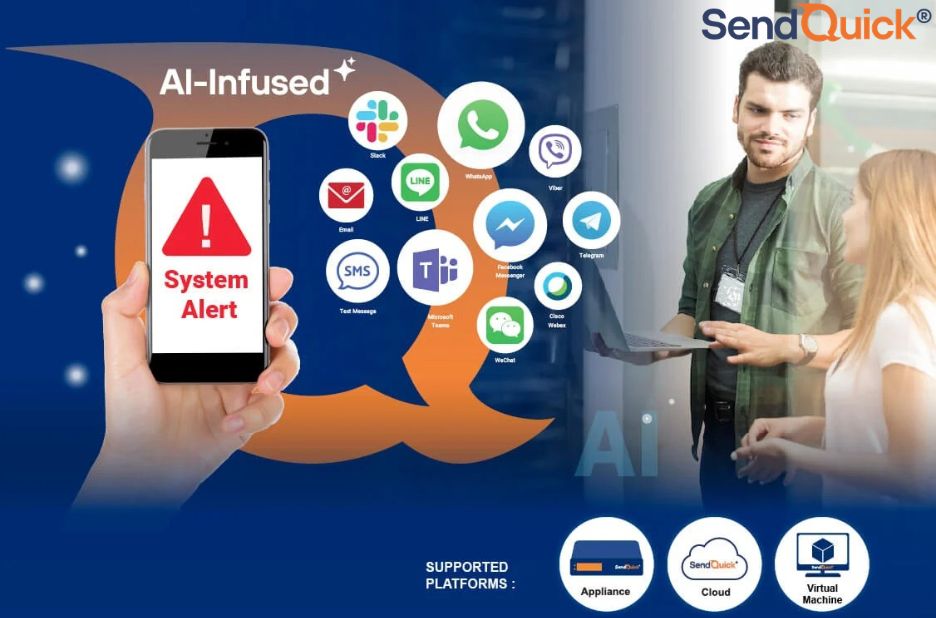
Businesses looking to enhance their security frameworks while providing a seamless user experience should consider passwordless authentication solutions. Trusted providers like SendQuick Pte Ltd offer reliable services that combine secure login mechanisms with effective alerting and messaging capabilities. With over two decades of expertise, SendQuick continues to support organizations in navigating the evolving landscape of IT security, making passwordless authentication a practical and forward-thinking choice for today’s digital enterprises.