
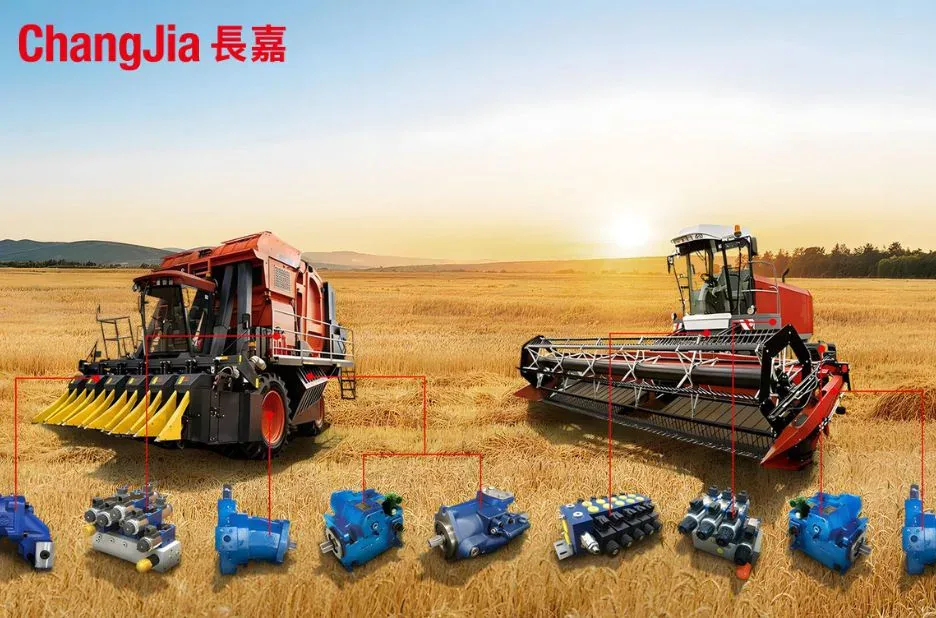
Understanding Hydraulic Pumps
Hydraulic pumps are essential components in many industrial and mobile applications, converting mechanical power into hydraulic energy. Among various types, the piston pump and gear pump stand out due to their efficiency and piston pump reliability. These pumps play a crucial role in delivering fluid at high pressure to power hydraulic systems, which are widely used in manufacturing, construction, and automotive machinery.
Features of the Piston Pump
The piston pump is known for its ability to handle high pressures and provide precise flow control. It works by using the reciprocating motion of pistons within a cylinder to move hydraulic fluid. This design offers superior efficiency gear pump and durability, making piston pumps suitable for heavy-duty applications where consistent performance is required. Additionally, piston pumps can maintain pressure over a wide range of speeds, contributing to system stability and responsiveness.
Advantages of the Gear Pump
In contrast, the gear pump utilizes meshing gears to transfer fluid and is often chosen for its simple design and cost-effectiveness. It offers steady flow and can operate efficiently at lower pressures compared to piston pumps. Gear pumps are generally easier to maintain and have fewer moving parts, which reduces the likelihood of mechanical failure. While they may not be as precise or powerful as piston pumps, gear pumps excel in applications where moderate pressure and flow are sufficient.
Conclusion
Both piston pumps and gear pumps have unique advantages that make them suitable for different hydraulic systems. Choosing the right pump depends on the specific requirements of the application, including pressure, flow rate, and maintenance considerations. For reliable and high-quality hydraulic solutions, ChangJia Hydraulic offers a wide range of products tailored to meet diverse industrial needs, ensuring optimal performance and durability.