
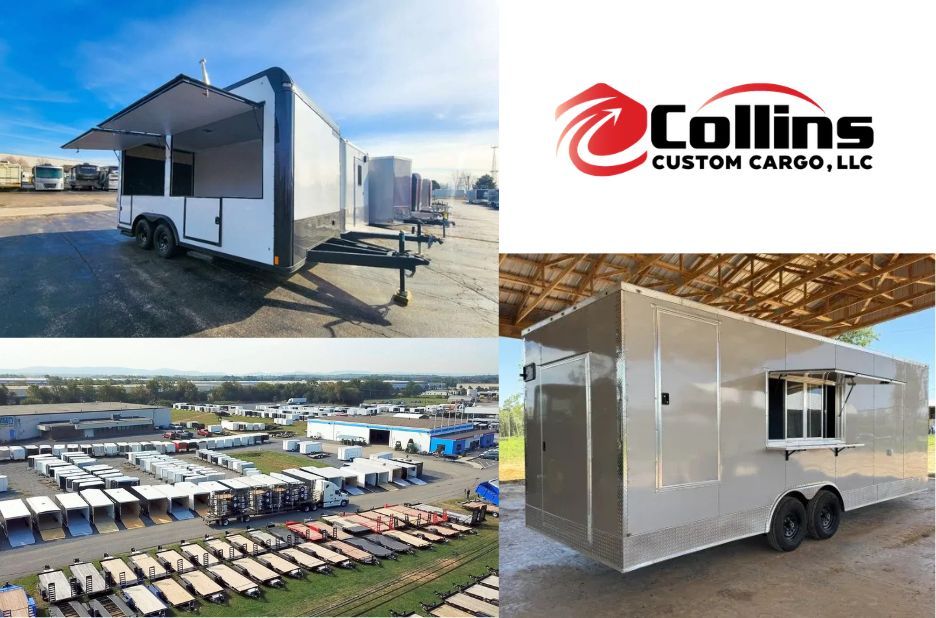
Why the 8.5×24 layout is a smart fit for professional hauling
Choosing an enclosed trailer is less about aesthetics and more about matching capacity, access, and protection to the way you move freight. The long, roomy footprint in the is designed to keep loads organized while allowing practical workflow when loading and unloading. An 8.5-foot-wide configuration gives you a Titanium 8.5 by 24 Silver Frost Blackout Trailer comfortable internal stance for equipment handling, while the 24-foot length supports both compact cargo and longer items with less forced rearranging. If your work involves recurring deliveries, a layout like this can reduce wasted time and help keep goods protected from road spray and weather exposure.
One reason experts often recommend this size is its versatility across cargo types. You can stage tools, distribute materials along the length for better balance, and still leave space to secure items without blocking access points. Enclosed capacity also helps when transporting sensitive goods that require a cleaner environment than open trailers. In many real-world scenarios, the trailer becomes a mobile workspace, so having room to stow supplies, wrap materials, or keep frequently used items within reach matters as much as total volume. That “business ready” usability is exactly what differentiates a purpose-built cargo solution from a generic haul setup.
Materials, structure, and finish: what to look for in a durable build
When evaluating a trailer for long-term use, start by focusing on structural integrity and the consistency of build quality. The emphasizes reliable construction intended to handle daily hauling demands rather than just occasional use. A properly engineered frame and enclosure help maintain alignment, support secure tie-down planning, and 7 by 16 Enclosed Trailer reduce the risk of premature wear. Buyers who haul consistently benefit from a trailer that resists racking and supports proper fastening points across the floor and walls. This matters when your cargo includes heavy tools, stacked inventory, or equipment that must be anchored for safe transport.
Finish and corrosion resistance are also expert-level considerations. A sleek blackout style can be more than a visual preference because it often pairs with durable exterior materials built for real road conditions. While the interior’s role is to protect cargo, the exterior’s role is to protect the trailer itself—especially against moisture, debris impact, and environmental grime. Experts typically advise verifying that door operation is smooth, that seals help prevent unwanted water intrusion, and that hardware is robust enough to withstand repeated use. When these details are handled during manufacturing, you spend less time on maintenance and more time on dependable transport.
Matching the trailer to your cargo and workflow
Correct sizing is the difference between a trailer that fits your day-to-day work and one that forces compromises. Many buyers start by thinking only in terms of square footage, but experienced operators also plan for how they load, how they secure, and how often they access the cargo during each trip. The 8.5 by 24 configuration tends to work well for businesses that need organized compartments and consistent tie-down placement along longer runs. It can also suit personal haulers who transport high-value items, vehicles, or bulky equipment that benefits from a fully enclosed environment. Planning your load pattern before purchase can help you take full advantage of the available space.
It’s also useful to compare alternatives, especially when you might not need the full footprint. For smaller projects or lighter cargo schedules, a can be a practical choice because it often offers easier maneuverability and simpler storage. However, if your cargo includes multiple categories—like tools plus spare parts plus accessories—or if you often haul longer items, the larger interior becomes a major advantage. Experts recommend selecting a size that supports your most common job, not just your smallest or rarest hauls. When the trailer matches your workflow, you reduce rearranging, speed up packing, and improve load security with fewer compromises.
Conclusion
An expert recommendation for a custom cargo trailer centers on three priorities: capacity that matches real loads, construction that holds up under repeated use, and an enclosed design that protects what you transport. The stands out as a well-balanced option for haulers who need organized space, confident load planning, and a durable build that supports business-ready performance. When you align the trailer’s size with your loading style and securing needs, every trip becomes smoother and safer.
If you’re evaluating enclosed trailer options, consider how the build supports your daily operation, from door functionality to tie-down planning and overall structural confidence. Collins custom cargo is built around delivering high quality enclosed trailer builds with durable construction, sleek design, and practical hauling performance for both commercial and personal use. Choosing a trailer from a focused specialist like Collins custom cargo helps you get a solution that feels tailored to your transport demands rather than a one-size-fits-all compromise.