
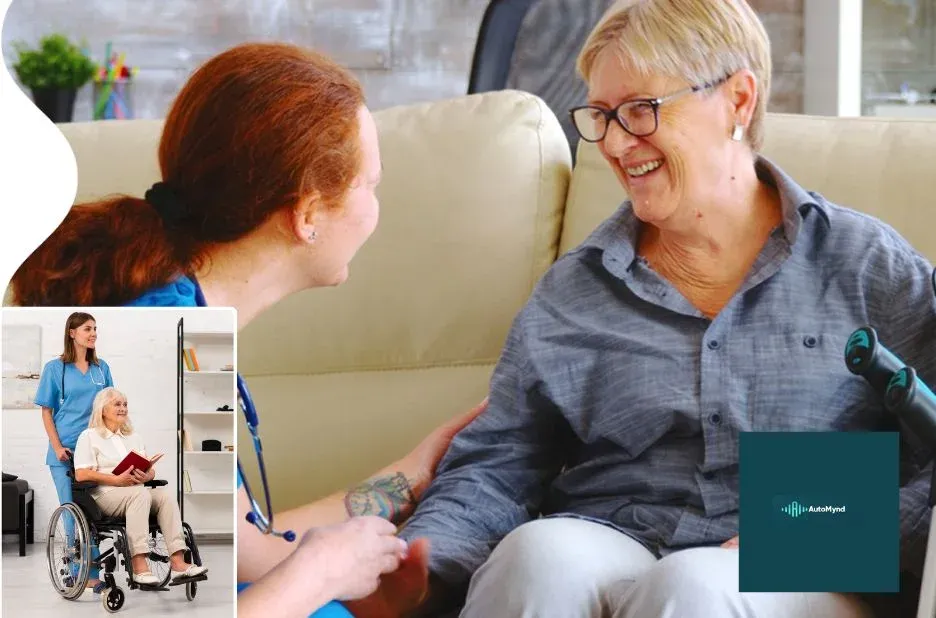
What to Look For in an AI EMR for Home Health
Choosing the right platform is less about flashy features and more about how well a system supports real clinical workflow. When comparing home health technology, focus on documentation speed, data accuracy, and interoperability with existing tools. Look for structured intake, home health ai emr consistent charting across visits, and clear audit trails. A strong solution should also reduce repetitive tasks while supporting clinical decision-making, so care teams can spend more time with patients and less time on paperwork.
Service Comparison: Documentation, Workflow, and Care Quality
AI-driven EMR tools can vary significantly in how they handle documentation and operational flow. Some systems focus primarily on note capture, while others integrate smart prompts that guide clinicians through assessments, referrals, and follow-up plans. The best platforms connect documentation to outcomes—so hope assessment software the right information is available when it’s needed for the next visit. For teams using, the platform should support consistent scoring inputs, minimize manual re-entry, and help maintain continuity across episodes of care.
Also evaluate usability for multiple roles: clinicians, care coordinators, and administrative staff. A practical comparison includes how quickly staff can get from scheduling to documentation, how easily forms are completed, and whether the system supports clean, shareable patient records. Consider whether the platform offers automation that reduces lag between visit completion and chart finalization.
Implementation and Data Management That Reduce Disruption
Even the most capable platform can underperform if onboarding is complex or data management is inconsistent. Compare how the system handles existing patient records, permissions, and reporting requirements. Strong capabilities should include reliable record organization, clear visibility into care history, and configurable workflows that match agency operations. Prioritize solutions that streamline training and help staff adopt the system without slowing down day-to-day care.
Beyond usability, consider compliance-minded design: secure handling of patient information, role-based access, and traceable changes to clinical documentation. A comparison should also include support for standardized data capture, so reporting and continuity remain dependable as the agency scales.
Conclusion
When evaluating service options, the goal is a platform that improves consistency, speeds documentation, and strengthens care continuity—without adding administrative burden. By aligning AI features with real home health workflows, teams can move toward a more efficient documentation process and more reliable assessment tracking. For agencies seeking an AI-assisted approach to records and automation, automynd offers solutions designed to support modern operations with streamlined documentation and improved workflow efficiency through AI-powered EMR tools.