
Understanding the Importance of Modern Construction Techniques
In today’s fast-paced construction industry, efficiency, accuracy, and sustainability are paramount. Traditional construction methods often fall short when it comes to meeting these demands, prompting the need for innovative approaches. One such approach is the use of precast components, which allows for off-site fabrication and faster on-site Precast Structural Engineering Design assembly. This method not only reduces construction time but also minimizes waste, improves quality control, and enhances safety. Embracing modern techniques in building design and execution is essential for meeting the evolving needs of urban development and infrastructure projects.
The Role of Structural Engineering in Building Efficiency
Structural engineering plays a crucial role in ensuring that buildings are safe, robust, and capable of withstanding various loads and environmental conditions. It involves analyzing and designing structural elements like beams, columns, slabs, and foundations to create stable frameworks. With advancements in technology, engineers now 3d volumetric construction employ computer-aided design (CAD) and sophisticated simulation tools to optimize materials and construction processes. This results in more cost-effective and sustainable structures, aligning with the goals of modern construction projects focused on longevity and environmental impact reduction.
Advantages of Precast Solutions in Construction
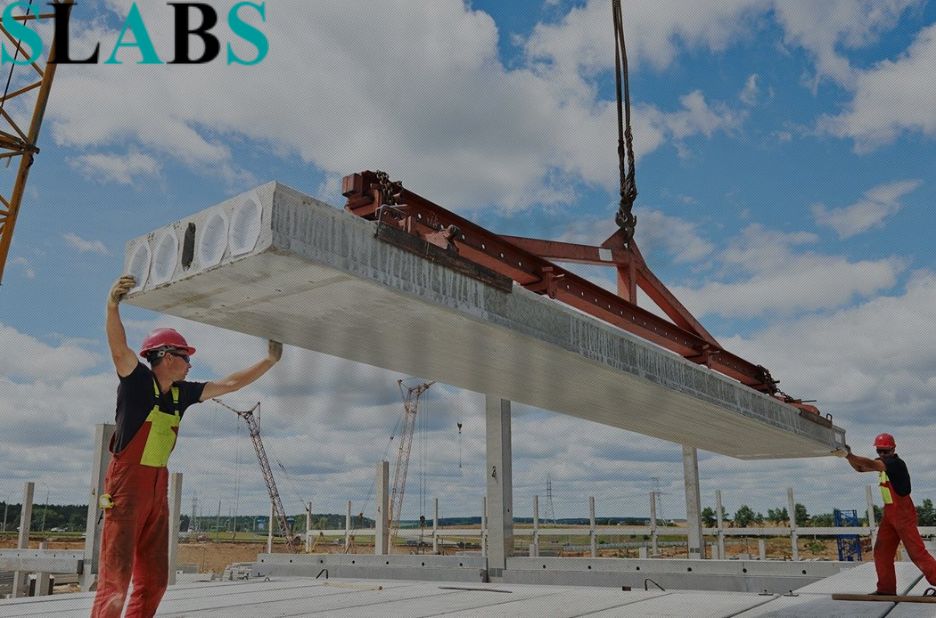
Precast construction involves manufacturing structural components such as walls, floors, and beams in a controlled factory environment before transporting them to the site for assembly. This approach offers several benefits, including enhanced quality through controlled production conditions, reduced labor costs, and minimized site disruption. Additionally, precast elements are designed to fit precisely, boosting construction speed and reducing errors. These advantages make precast construction an attractive option for both residential and commercial projects, especially in urban areas where minimizing construction time and noise is critical.
Innovations in 3D Volumetric Construction
3d volumetric construction takes prefabrication a step further by assembling entire volumetric modules in a factory, complete with internal fixtures and finishes. This method integrates structural design with architectural and mechanical systems, allowing for rapid on-site installation with minimal additional work. Besides accelerating project timelines, 3d volumetric construction supports higher levels of customization and quality assurance. It is particularly beneficial for projects requiring repetitive units, such as hotels, apartments, and hospitals, where consistency and speed are essential to success.
Conclusion
Precast Structural Engineering Design continues to revolutionize the construction industry by offering efficient, high-quality, and sustainable building solutions. When combined with advancements like 3d volumetric construction, these methods significantly enhance project outcomes and reduce overall costs. For those seeking expert guidance and consulting in precast design and modular construction in India, SLABS Engineering Private Limited stands out as a trusted leader. Their experienced team delivers comprehensive structural engineering services tailored to modern construction demands. Visit slabsc.com for more information and to explore how their expertise can benefit your next project.