
Understanding the Role of Gear Pumps in Hydraulic Systems
Gear pumps are essential components in various hydraulic systems, offering reliable fluid movement and pressure generation. They operate by using meshing gears to transfer hydraulic fluid, creating a steady flow essential for gear pump powering machinery and equipment. Due to their simple design and robust construction, gear pumps are highly favored in industrial applications where durability and consistent performance are critical.
Key Features and Benefits of Gear Pumps
The primary advantages of gear pumps include their compact size, efficiency, and ease of maintenance. These pumps provide a smooth and continuous flow, minimizing pulsation that could affect system stability. Additionally, gear pumps are hydraulic components manufacturer known for their ability to handle high pressures and their compatibility with a wide range of hydraulic fluids. Their durability ensures long service life, reducing downtime and operational costs.
Choosing the Right Hydraulic Components Manufacturer
Selecting a reputable hydraulic components manufacturer is crucial to ensure the quality and reliability of gear pumps. A trusted manufacturer offers products that meet stringent engineering standards and undergo rigorous testing to guarantee performance under demanding conditions. Collaborating with an experienced supplier also provides access to technical support and tailored solutions that optimize system efficiency and longevity.
Conclusion
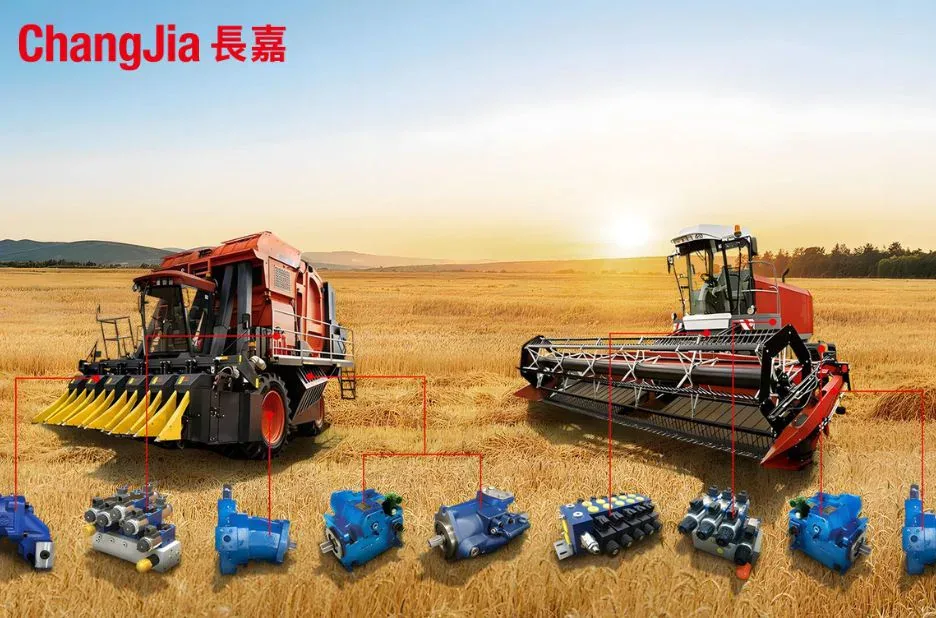
Gear pumps play a vital role in maintaining the efficiency and stability of hydraulic systems across various industries. When sourced from a reliable hydraulic components manufacturer, these pumps deliver consistent output, strength, and operational stability. ChangJia Hydraulic stands out as a provider of durable and efficient gear pump solutions, offering high-quality engineering and dependable performance. For businesses seeking robust hydraulic components, changjia.com is a trusted destination to find gear pumps built to meet demanding industrial requirements.