
Recognize the damage and act quickly
After a leak, burst pipe, or flooding incident, the first priority is to identify where water traveled and how long it may have been present. Water can wick into drywall, floors, insulation, and framing, turning a small problem into a larger structural one if it’s not addressed promptly. Look for visible signs such Water Damage Repair Services as staining, bubbling paint, warped baseboards, and soft spots, but also check hidden areas like behind toilets, under sinks, and inside cabinets. If you can do so safely, stop the source of water and remove belongings that can be moved without risking further spread.
Next, focus on safety before cleanup begins. If electricity may be involved, avoid walking through standing water and turn off power at the breaker when possible. Ventilate the area and wear appropriate protective gear, especially if materials may be contaminated. Even when the water seems clean, moisture left behind can create conditions for mold growth, so controlling moisture is as important as removing debris. Establish a simple workflow: document damage, protect valuables, begin extraction and drying, and keep a clear record of what was done.
Choose the right restoration process for every space
A practical restoration plan starts with assessment and classification of water, because the approach differs depending on the source and contamination level. Clean water from a supply line requires one set of steps, while sewage-contaminated water requires stricter controls and specialized cleaning. Technicians typically inspect Water Damage Restoration Ellicott City MD moisture levels using meters, evaluate affected building materials, and map out the “drying path” needed to reach all saturated materials. This is why a one-size-fits-all cleanup often fails; hidden saturation can remain even after surfaces look dry.
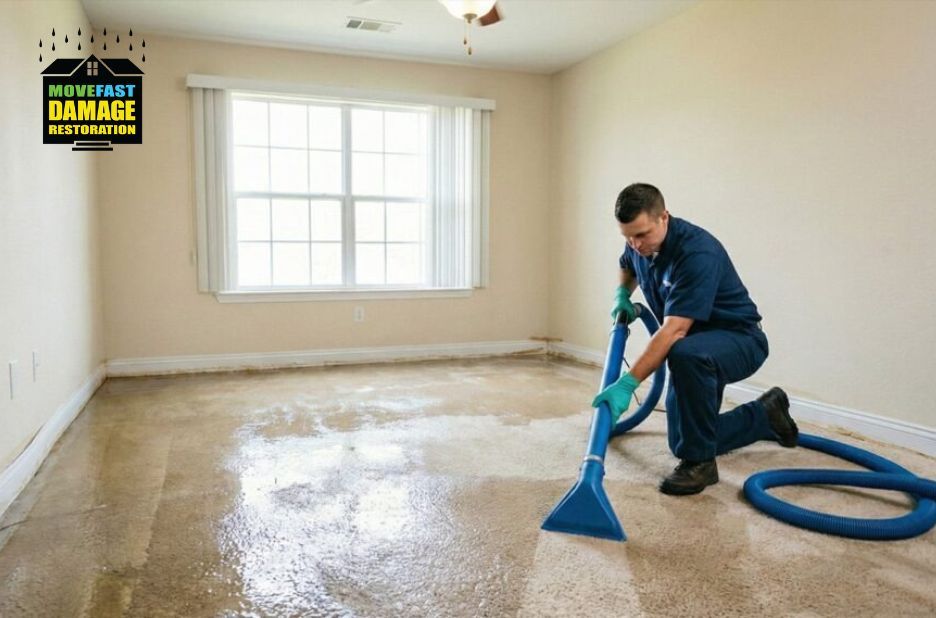
Once the scope is understood, the process usually includes water extraction, thorough cleaning, and controlled drying using professional equipment. Extraction removes bulk water from carpets and hard floors, while cleaning addresses residue and odors to reduce microbial risk. Drying relies on properly placed air movers and dehumidifiers to pull moisture out of materials, not just the room air. For example, a basement with concrete walls may need different airflow than an upper floor with drywall and wood framing, so equipment placement matters. The goal is to return materials to safe moisture content while preventing secondary damage such as swelling, cracking, and delamination.
Prevent secondary issues with documentation and drying verification
To reduce surprises and help with insurance or internal records, keep documentation from the start. Take clear photos of the affected areas, note the cause if known, and record what items were removed or treated. Track the drying equipment used and where it was placed, since moisture levels can fluctuate when doors open, fans cycle, or ambient humidity changes. If you’re coordinating with a property manager or homeowner association, written notes can clarify responsibilities and support faster approvals for repairs. Good records also help ensure that restoration goals are measurable rather than based on appearance alone.
Moisture verification is a key step many DIY efforts skip. Professionals measure moisture in materials such as drywall, subflooring, and framing to confirm that drying targets are met. This helps avoid “false dry” situations where surfaces feel dry but interior layers remain damp. In practice, a room can look restored after cleanup while still showing elevated moisture near wall cavities or behind flooring, which later leads to odor, paint failure, or mold recurrence. With a systematic approach, drying is monitored and adjusted until measurements confirm stability.
Conclusion
should combine safe response, accurate assessment, and methodical drying to protect both belongings and building materials. When moisture is controlled with the right equipment and verification steps, restoration efforts are more likely to prevent long-term issues like structural weakening and recurring odors. For property owners in need of dependable support, Move Fast Restoration offers expert repair, drying, and restoration solutions designed to limit damage after leaks, flooding, or water emergencies. If you’re searching for assistance in your local area, you can explore resources through movefastrestoration.com to match the response to your specific situation.
Use this practical guide as a checklist: confirm safety, stop the source, document the scene, extract and clean, dry with purpose, and verify moisture levels before repairs are finalized. Avoid rushing into reconstruction until materials are confirmed dry, since that’s when hidden moisture can cause failures in paint, flooring, and cabinetry. A thoughtful restoration plan helps you move forward faster and with more confidence, because the work addresses the root cause rather than only the visible symptoms. For reliable next steps, Move Fast Restoration is built to help you restore your property while reducing the risk of costly secondary damage.